

the hidden cost of an unstructured wardrobe
The issue has never really been excess.
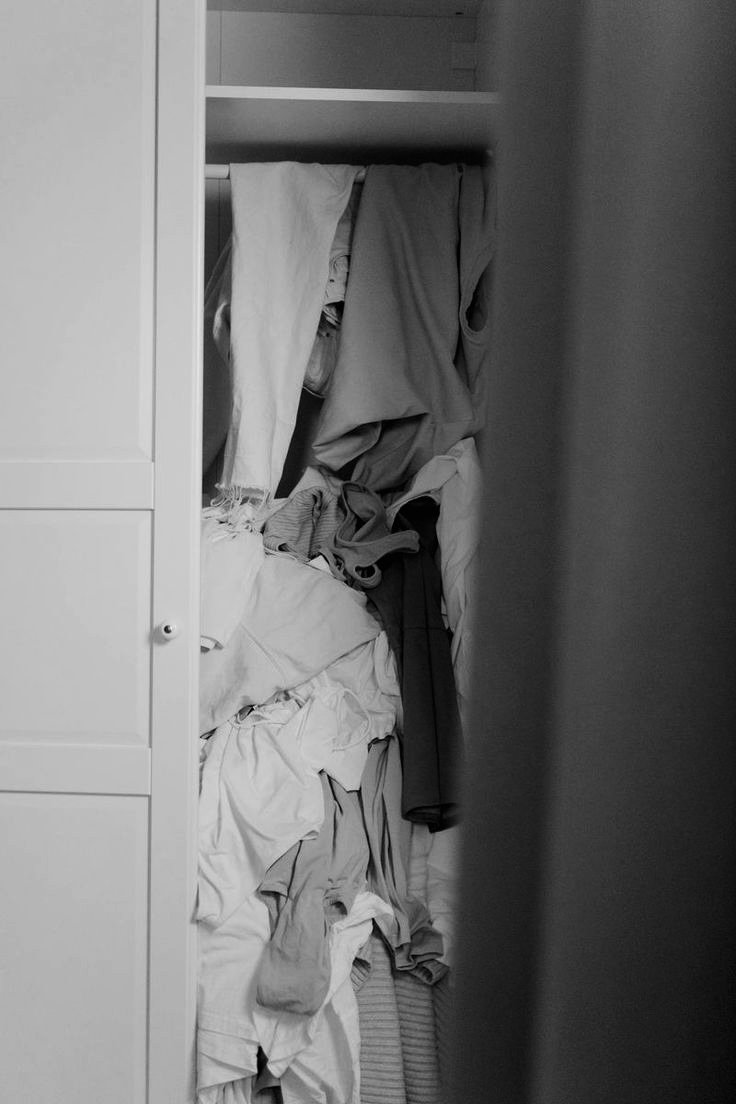
After spending more than a decade working inside wardrobes, we’ve seen this repeatedly: closets overflowing with beautiful pieces, luxury labels, investment buys. And yet, every morning still begins with hesitation.
Not because there’s nothing to wear. But because nothing feels resolved.
That quiet pause, standing in front of a wardrobe and feeling unsure, is where the real cost begins. Not on your credit card. In your head.
When a wardrobe lacks structure, clarity erodes. And without clarity, even the most expensive wardrobes fail the people who own them.
Where the Cost Actually Shows Up
An unstructured wardrobe encourages passive behaviour.
Overspending rarely feels intentional. It happens in fragments. Late-night scrolling. A quick checkout without checking what you already own, because the wardrobe feels overwhelming to revisit. A vague thought, this might work for me, becomes justification enough.
We’ve watched clients mentally dress themselves for future lives. Visualising dinners, weddings, boardrooms, and holidays. All while their real wardrobes remain untouched, disorganised, and misaligned with how they actually live. That gap between imagination and reality is what fuels more buying, not better dressing.
Then there’s time.
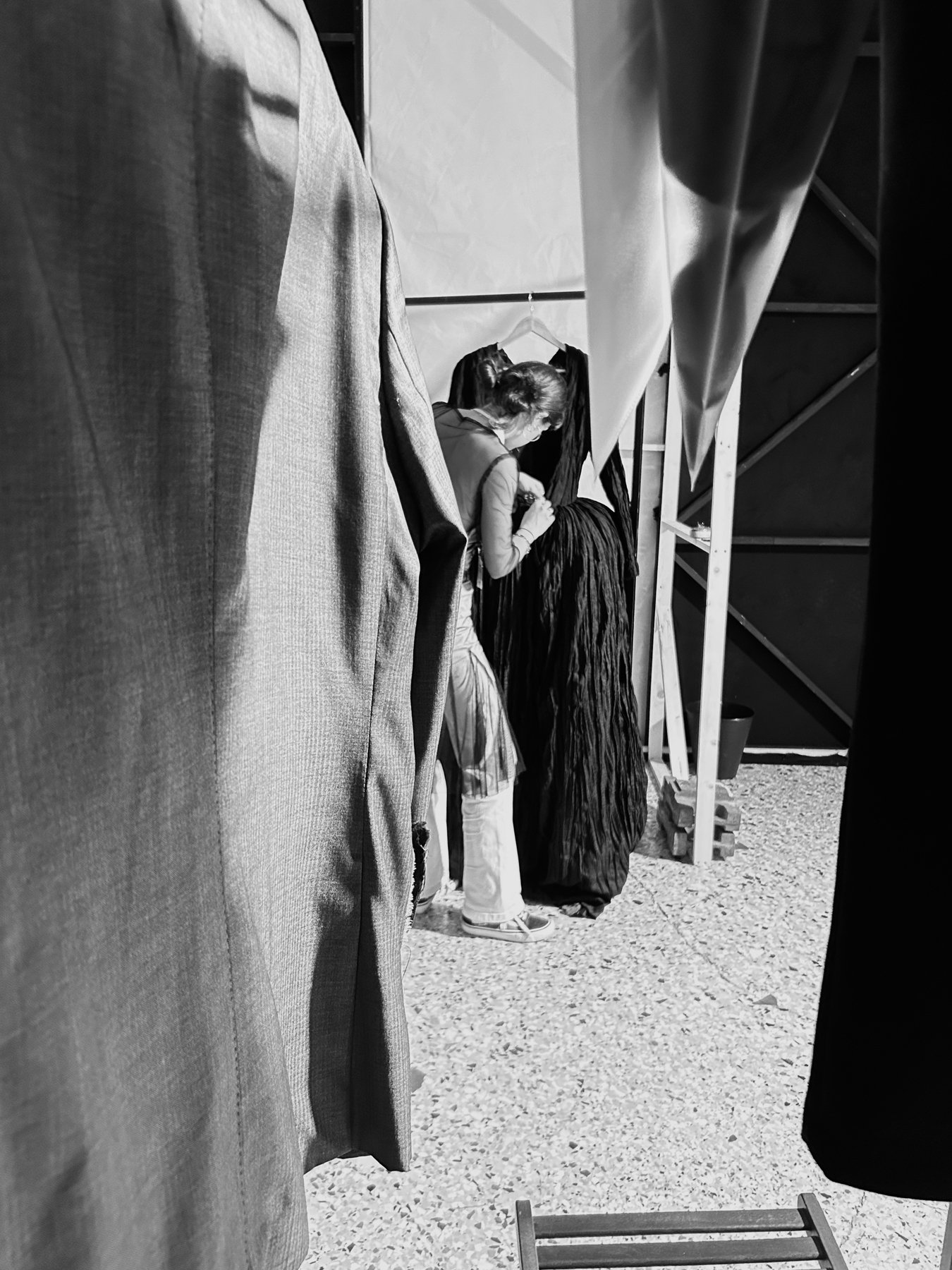
Time is lost every morning negotiating with your clothes. Time wasted before flights, important meetings, festive occasions, moments when decisions should feel instinctive. Instead of supporting you, the wardrobe becomes another problem to solve.
And finally, the cost no one names.
The low-grade mental load of avoiding personal style, not because it isn’t important, but because it feels complicated. That background hesitation quietly affects confidence, presence, and ease more than most people realise.
What Structure Restores
Structure does what it always does. It returns authority.
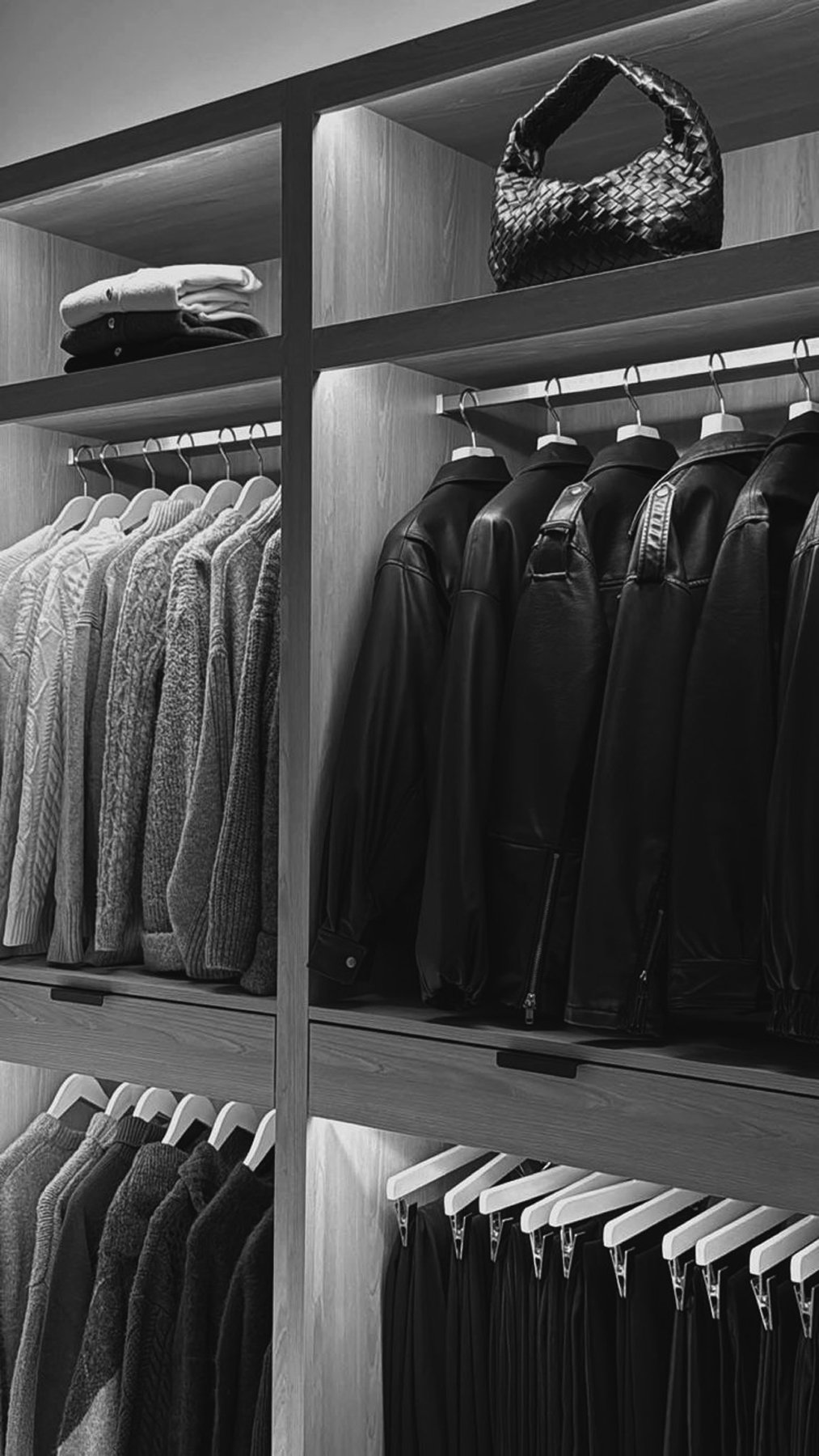
When a wardrobe is properly audited and organised around real routines, not aspirational ones, uncertainty disappears. You know what you own. You know what fits. You know what works together.
Decisions stop feeling heavy.
Structure isn’t about owning less for the sake of minimalism. It’s about ownership with intent. Clothes are aligned to purpose, lifestyle, season, and role. Capsule systems emerge naturally. Travel wardrobes are prepared with clarity instead of last-minute stress. Festive and cultural dressing is thought through well in advance, not rushed days before the event.
Something else happens over time.
Mindless scrolling fades. Trend anxiety loosens its grip. Purchases slow down and become deliberate. You stop buying for a future version of yourself and start dressing for who you already are.
This is where personal style becomes quiet. Consistent. Powerful.
Why THE LUXE WARDROBE Exists
We created THE LUXE WARDROBE after noticing a gap no one was addressing seriously.
High-net-worth individuals manage their wealth, businesses, teams, and schedules with precision. Yet their wardrobes, something they interact with daily, were often unmanaged, fragmented, or reactive.
What we offer isn’t styling in isolation.
It’s wardrobe management as a lifestyle service.
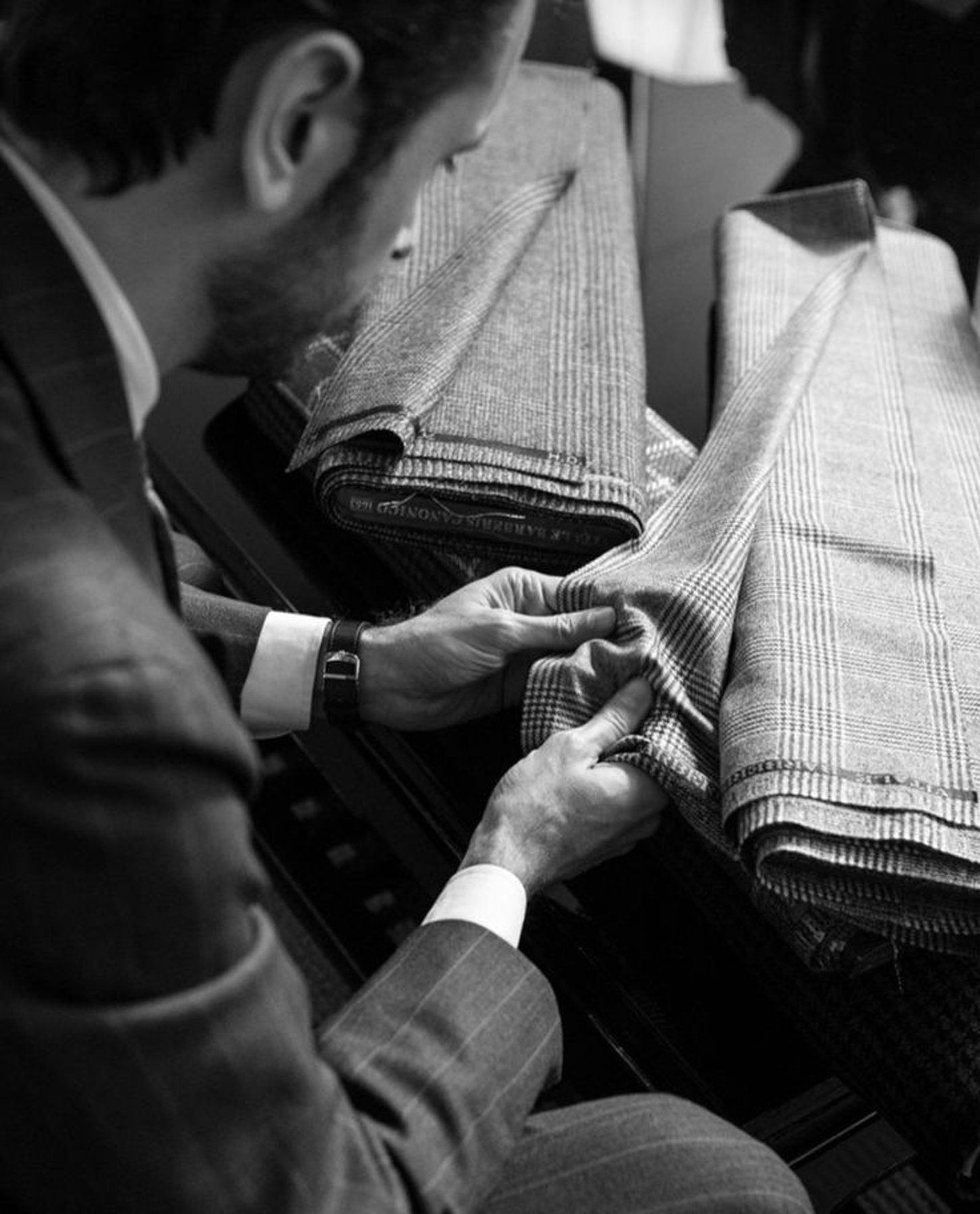
We begin by auditing what you already own. We build structure within your existing wardrobe. We design capsule systems that support corporate life, travel, Indian festivities, and high-visibility moments. We assist with personal shopping, luxury sourcing, and occasion-based dressing, but always within a larger framework.
The outcome isn’t just a better wardrobe. It’s a smoother daily experience.
Clients don’t tell me they dress better. They tell us they think less. And for people who carry the weight of decisions all day, that relief is significant.
An unstructured wardrobe never announces its cost upfront. It reveals it slowly, through wasted time, repeated purchases, indecision, and mental clutter.
Structure restores control.
And control, when exercised quietly, is the most refined form of luxury.
A private view into new launches, trusted brands, and what’s next.